

The transition into a sustainability role can feel like stepping onto a moving train. Whether you are a fresh graduate entering your first post or a seasoned employee pivoting into a new ESG (Environmental, Social, and Governance) mandate, the learning curve isn’t just steep—it’s multidimensional.
While certifications and degrees provide the framework, the “art” of sustainability is often learned through mentorship. If you’re a leader looking to bolster your green team, or an individual contributor stepping into the fray, here is why a mentor isn’t just a “nice-to-have,” but a strategic necessity.
Navigating the “Grey Areas” of Regulation
Sustainability isn’t always black and white. From the challenges of ESG versus Impact versus Corporate and Social Responsibility to the shifting sands of carbon reporting, an experienced professional helps a mentee distinguish between mandatory compliance and “greenwashing” traps.
A mentor provides the institutional memory that a textbook cannot, explaining why certain sustainability initiatives succeeded or failed in the past.
Developing “Soft Power” and Influence
Sustainability professionals are often tasked with changing minds without having direct authority over other departments. This requires a high level of diplomatic skill.
- Stakeholder Mapping: Mentors help identify which department heads are allies and which need more convincing.
- The Language of Business: They teach mentees how to translate “carbon equivalents” into “cost savings” for the Chief Financial Officer.
Resilience in the Face of Eco-Anxiety
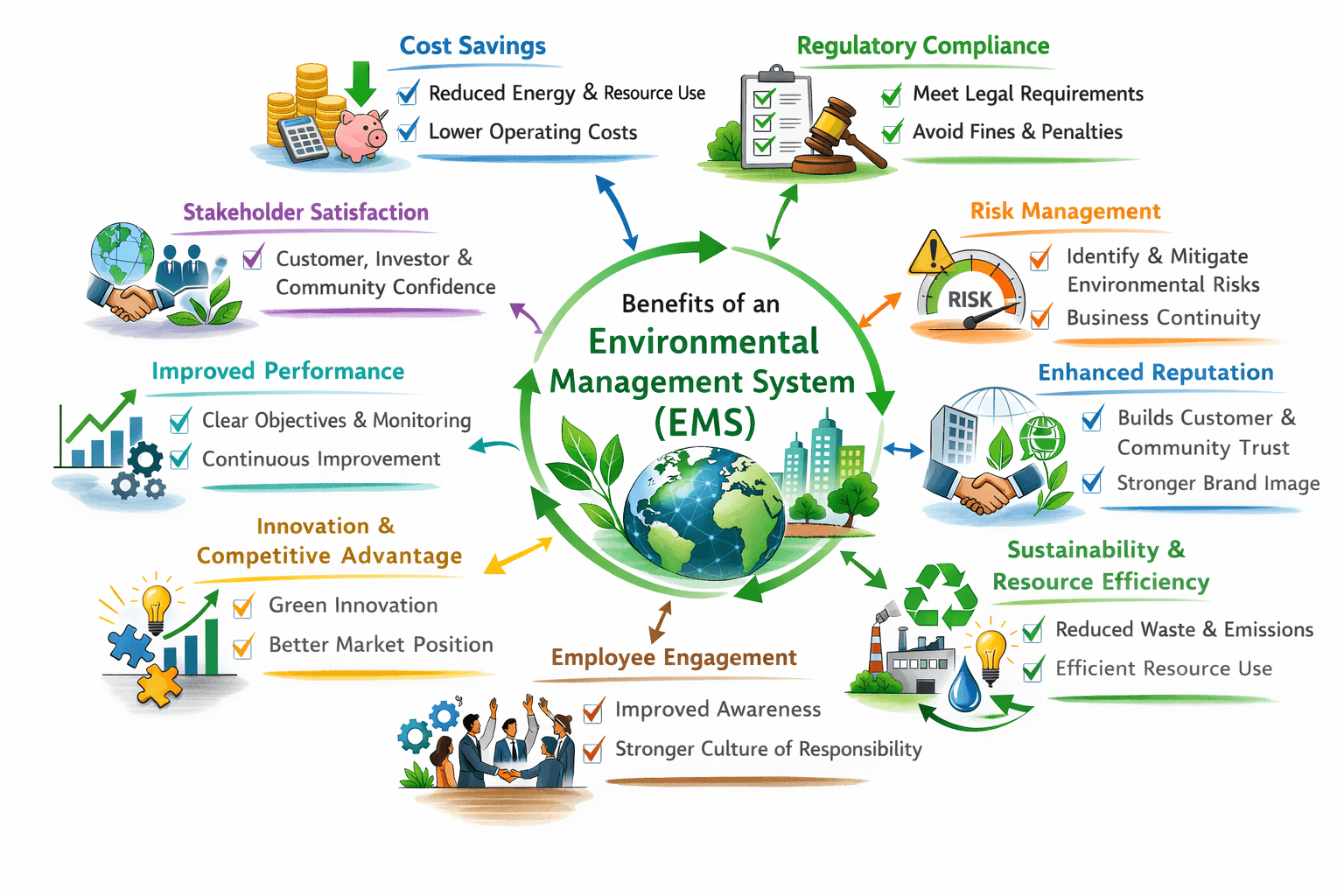
Being given the task of Implementing an environmental management system (EMS) such as ISO 14001 for the first time is a bit like training for a marathon when you’ve previously only walked to the bus stop. It’s a transformative process that shifts an organisation from “doing things” to “managing how those things affect the planet and the business.”
The “S-word” (Sustainability) carries a lot of weight. Newcomers often feel the pressure of solving global crises from their desks, leading to rapid burnout.
“A mentor acts as a shock absorber, helping the mentee focus on incremental, high-impact wins rather than the overwhelming scale of the climate crisis.”
Strategic Networking
In the sustainability world, who you know often determines how quickly you can source sustainable materials or find a reliable auditing partner. A mentor opens doors to industry working groups and peer networks that would otherwise take years to access.
The Benefits at a Glance
| For the Mentee | For the Organisation |
| Faster integration into the role | Improved retention of “green talent” |
| Increased confidence in decision-making | Consistency in ESG reporting and strategy |
| Practical application of technical theory | Accelerated progress toward Net Zero goals |
Investing in the Future
Whether you are formalising a graduate program or supporting an internal hire, remember that sustainability is a marathon, not a sprint. Providing a mentor ensures your team doesn’t just start the race—they finish it.
If you want to find out more about the mentoring support available from East Lancashire Chamber’s Sustainability Team contact Stephen Sykes on 01254 356 487 or info@chamberlowcarbon.co.uk
Featured News

24 March 2026

17 March 2026
-
10 March 2026